







When it comes to keeping your home and garden safe from stinging insects, understanding their habits is key. Effective Pest Services often encounters homeowners surprised by the sudden appearance of wasps in their yards. One of the most common questions we get is, “When do wasps start building their nests?” Knowing the timing of wasp nest construction can help you prevent infestations before they become a serious problem.
Early Spring Emergence
Wasps are generally dormant during the cold months, surviving the winter as fertilized queens. As temperatures rise in early spring, usually around March or April depending on your region, these queens emerge from hiding to establish new colonies. They are the only wasps that survive the winter, and their first priority is finding a suitable location to start a nest. Understanding this emergence period is critical because it marks the beginning of potential wasp activity near your home.
Choosing the Right Nest Site
Once a queen is active, she spends significant time scouting for a nest site. Typical locations include sheltered areas such as eaves, attics, sheds, or hollow trees. Wasps prefer places that offer protection from rain, wind, and predators while providing easy access to food sources. The queen begins constructing the nest slowly, producing the first few cells from chewed wood fibers mixed with saliva. Early intervention during this stage can prevent a large infestation later in the season.
Gradual Nest Expansion
By late spring, usually May to June, the initial nest begins to expand as the queen lays eggs. Worker wasps emerge from these eggs and take over the task of building the nest further, hunting for food, and caring for the young. At this stage, the nest can grow quickly, sometimes doubling in size within a few weeks. The presence of worker wasps increases the risk of stings, so it’s important to monitor areas where nests are likely to form.
Summer Peak Activity
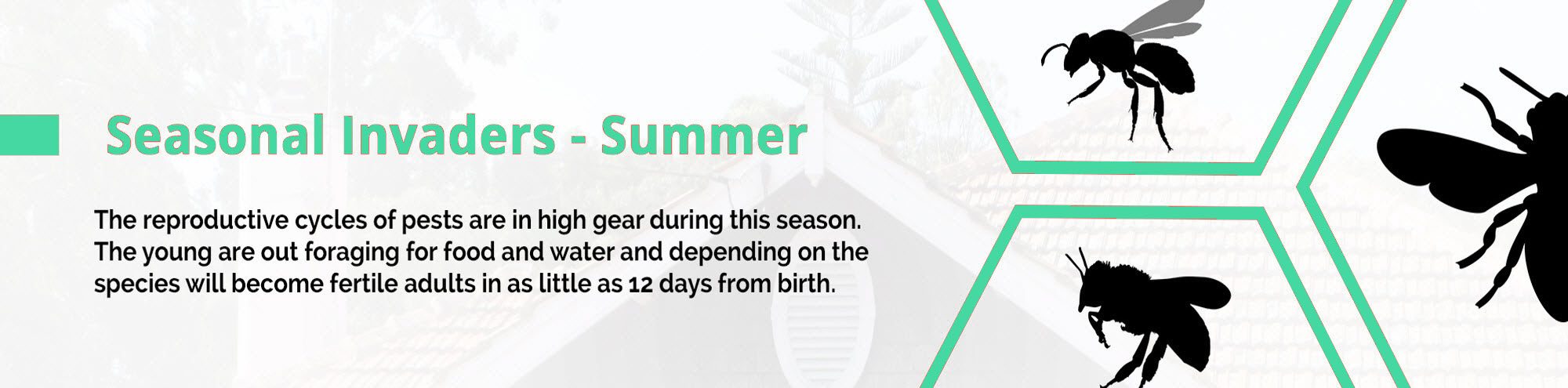
In summer, nests reach their maximum size, and the colony becomes highly active. This is when wasps are most noticeable and aggressive because they are actively foraging to feed their growing brood. Nests can contain hundreds to thousands of wasps by mid to late summer. Homeowners may notice frequent wasp activity around garbage bins, gardens, or outdoor dining areas. Proper precautions, including professional inspection, are recommended during this period to minimize human-wasp encounters.
Signs of a Nest
Identifying early signs of a wasp nest is essential for safe removal. Look for small paper-like structures in sheltered areas or observe frequent wasp activity around a particular spot. Wasps tend to return repeatedly to the same location, which can help pinpoint the nest before it grows too large. Early detection is safer than trying to remove a fully developed nest yourself.
Pest Control, Prevention, Removal & More in Wellington, Fort Collins, Timnath, Greeley, Longmont, Boulder, Johnstown, Berthoud, Estes Park & Loveland, CO | Northern Colorado
Understanding when wasps start building their nests allows you to take preventive measures before colonies become unmanageable. Effective Pest Services recommends routine inspections in early spring and swift action at the first signs of nest activity. Don’t wait until summer when nests are fully established and more dangerous. Contact Effective Pest Services today to schedule an inspection and ensure your home and family remain protected from wasps.
